

Silicon Coated Parchment Paper Guide for Baking and Cooking
The modern kitchen depends heavily on tools that improve efficiency, hygiene, and cooking quality. One such innovation is Silicon Coated Parchment Paper, a specialized baking sheet designed to prevent food from sticking during cooking and baking. Its heat-resistant coating and smooth surface make it a popular choice among home cooks and professional chefs.
Unlike traditional baking sheets or foil, Silicon Coated Parchment Paper provides a non-stick surface that reduces the need for oils and sprays. This feature not only simplifies cooking but also supports healthier food preparation. As a result, it has become a staple in bakeries, restaurants, and household kitchens.
This guide explores everything about Silicon Coated Parchment Paper, including how it works, its benefits, applications, and how to choose the right type for your cooking needs. By understanding its advantages and proper usage, you can improve both cooking results and kitchen efficiency.
Understanding Silicon Coated Parchment Paper
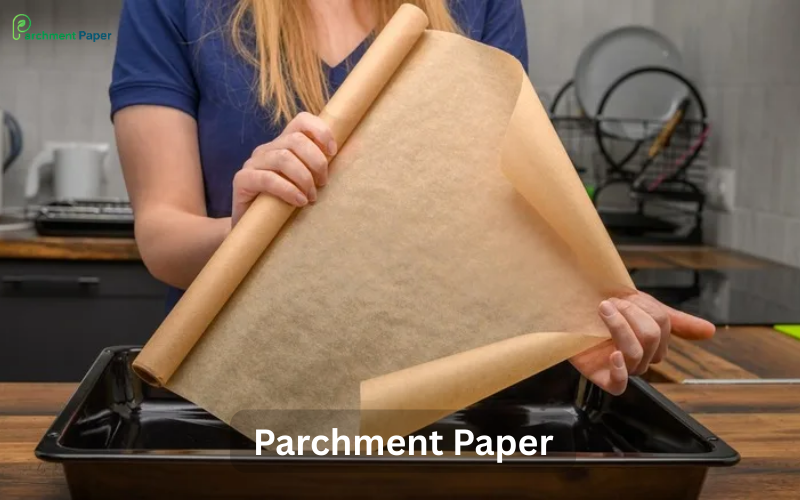
Silicon Coated Parchment Paper is a specially treated paper designed to withstand high temperatures while providing a non-stick cooking surface. It is produced by coating baking paper with silicone, which gives it heat resistance and flexibility.
Many kitchens rely on materials such as non-stick baking paper, heat-resistant cooking sheets, food-grade baking liner, oven-safe parchment, and greaseproof baking paper to simplify food preparation. These materials help prevent food from sticking and reduce cleanup time.
Because of its versatility, this paper is widely used in baking trays, roasting pans, and food packaging. Its ability to handle heat while maintaining structural integrity makes it an essential tool in modern cooking.
What Makes Silicone Coating Effective
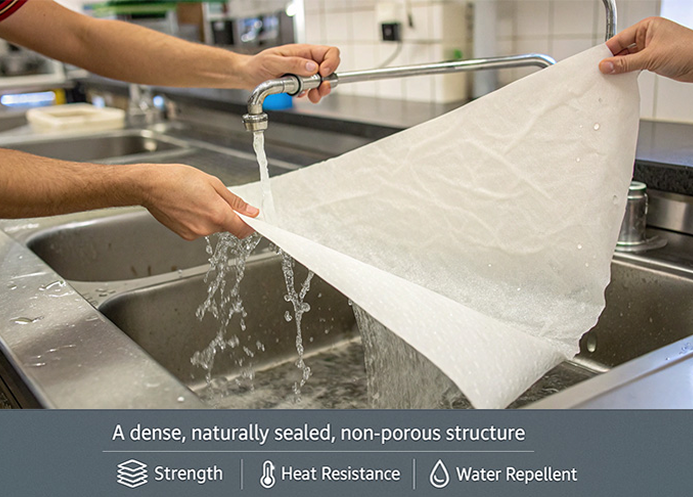
The silicone coating applied to baking paper creates a smooth, non-stick surface. This coating prevents food from adhering to the paper, allowing baked goods to release easily after cooking.
Silicone also provides excellent heat resistance. Most silicone-coated papers can handle oven temperatures up to 220–250°C, making them suitable for baking cookies, pastries, and roasted foods.
Additionally, the coating improves durability. Unlike regular paper, silicone-treated sheets maintain their structure even under high heat and moisture conditions.
Difference Between Parchment Paper and Wax Paper
Many people confuse parchment paper with wax paper, but the two products serve different purposes. Wax paper is coated with wax, which melts at high temperatures and is not safe for baking.
In contrast, silicone-coated baking paper is specifically designed for oven use. Its heat-resistant surface prevents burning or melting during cooking.
Using the correct material ensures both safety and cooking efficiency. Choosing the wrong product may affect food quality and kitchen safety.
Why Professional Bakers Prefer It
Professional kitchens rely on tools that improve consistency and productivity. Silicone-coated baking sheets help achieve uniform cooking results.
Bakers use these sheets to ensure pastries, cookies, and breads bake evenly without sticking to trays. This consistency is essential for commercial food production.
The paper also reduces cleaning time, which is valuable in busy kitchens where efficiency matters.
Benefits of Using Silicon-Coated Parchment Paper
The growing popularity of Silicon Coated Parchment Paper is largely due to its practical benefits in cooking and baking. From improved food quality to easier cleanup, it provides multiple advantages.
Many home cooks adopt this baking tool because it simplifies cooking processes and improves food presentation.
Key Advantages in Cooking and Baking
Provides a non-stick surface for easy food release
Reduces the need for oil or cooking sprays
Improves baking consistency and even heat distribution
Simplifies cleaning of trays and baking pans
Suitable for baking, roasting, and food preparation
These benefits make silicone-coated baking paper a reliable kitchen tool for both beginners and experienced cooks.
Another advantage is food safety. Since the paper is food-grade and heat-resistant, it maintains hygiene standards during cooking.
It also prevents baked goods from breaking when removed from trays, which improves presentation quality.
Health and Hygiene Benefits
Cooking with silicone-coated paper often requires less oil. This helps reduce unnecessary fats in food preparation.
The paper also prevents direct contact between food and baking trays, which improves cleanliness and reduces contamination risks.
Additionally, disposable baking sheets maintain hygiene because they can be replaced easily after use.
Environmental Considerations
Some modern baking papers are designed with eco-friendly materials. Manufacturers are increasingly producing biodegradable or recyclable options.
Responsible use and disposal can reduce environmental impact while still enjoying the convenience of non-stick baking paper.
Choosing sustainable kitchen products helps support environmentally conscious cooking practices.
Common Uses of Silicon-Coated Parchment Paper
The versatility of Silicon Coated Parchment Paper allows it to be used in many cooking and baking applications. From baking cookies to roasting vegetables, it supports various culinary tasks.
Both professional chefs and home cooks rely on this paper to improve efficiency and cooking results.
Popular Culinary Applications
Baking cookies, cakes, and pastries
Roasting vegetables and meats in ovens
Preparing candy and chocolate desserts
Wrapping food for cooking techniques like en papillote
Preventing sticking in baking trays and molds
These uses highlight how versatile silicone-coated baking sheets can be in the kitchen.
Many pastry chefs also use this paper for rolling dough. Its non-stick surface prevents dough from attaching to countertops or tools.
It is also useful for freezing food. The paper prevents items like cookies or dumplings from sticking together.
Use in Commercial Kitchens
Restaurants and bakeries use silicone-coated baking paper for large-scale food production. It helps maintain consistent results across batches.
Commercial kitchens also benefit from reduced cleaning time. Baking trays lined with non-stick paper require minimal scrubbing.
Some food packaging industries even use specialized baking paper products for wrapping baked goods safely.
Household Kitchen Applications
Home cooks appreciate the convenience of silicone-coated baking paper. It simplifies cooking processes and helps beginners achieve better results.
Many families use it when preparing cookies or roasting foods in ovens. The paper ensures easy removal of food without damaging delicate baked items.
In some cases, the product is referred to simply as parchmentpaper when used in everyday cooking discussions.
How to Choose the Right Silicon Coated Parchment Paper
Selecting the right baking paper is important for achieving the best cooking results. Not all silicone-coated papers are identical in quality or performance.
Understanding a few key features helps buyers choose the most suitable product.
Important Factors to Consider
Heat resistance rating and oven temperature limits
Thickness and durability of the paper
Food-grade certification and safety standards
Size compatibility with baking trays
Reusable vs disposable sheet options
These factors determine how well the paper performs during cooking.
Thicker sheets usually offer better durability and may withstand multiple uses. However, disposable sheets are convenient for quick baking tasks.
Food-grade certification ensures the product meets safety standards for cooking.
Comparing Different Baking Paper Types
This comparison shows why silicone-coated baking paper is often preferred for baking.
Storage and Shelf Life
Proper storage helps maintain the quality of baking paper. It should be kept in a cool and dry environment.
Avoid exposing the paper to moisture or extreme heat before use. These conditions may weaken the paper structure.
When stored properly, silicone-coated baking sheets can remain usable for long periods.
The Future of Silicon-Coated Parchment Paper
Kitchen technology continues evolving, and baking tools are improving alongside it. Manufacturers are developing stronger and more sustainable baking papers.
Future products may include biodegradable coatings, reusable baking sheets, and improved heat resistance.
As consumer awareness grows, eco-friendly baking products are likely to gain popularity. Sustainable packaging and responsible material sourcing are becoming priorities for manufacturers.
Despite these innovations, the core purpose of Silicon Coated Parchment Paper remains unchanged: providing a reliable non-stick cooking surface that simplifies baking and improves food quality.
Conclusion
Silicon-coated parchment paper has become an essential tool in modern kitchens. Its non-stick surface, heat resistance, and versatility make it ideal for baking, roasting, and food preparation.
From professional bakeries to household kitchens, this product simplifies cooking processes while improving food presentation and hygiene. It reduces the need for oil, prevents sticking, and minimizes cleanup time.
As kitchen technology continues to advance, silicone-coated baking paper will likely remain a staple tool for efficient and enjoyable cooking experiences.
Recent Posts

Need Custom Parchment Paper?
Get a personalized quote tailored to your specific needs today.
Get a Quote